Signed in as:
filler@godaddy.com
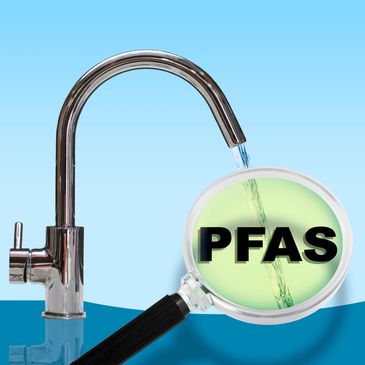
PFAS is/will be regulated sooner or later in your province/state due to its health concerns. This course discusses water treatment processes, including GAC and Ion exchange. Disposal of concentrated PFAS is also regulated, accounting for 25-50% of the treatment cost; therefore, disposal options such as the Claros and Gradient technologies are included in the course.
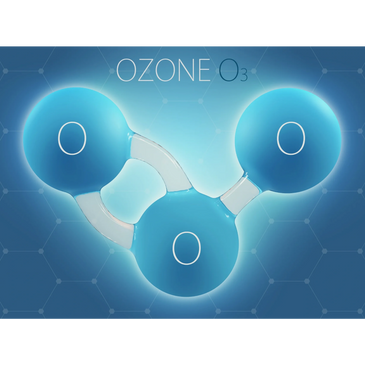
Ozone, in drinking water treatment, is used for disinfection (e.g., Cryptosporidium) and oxidation (e.g., taste and odour compounds). This course covers the basics of ozone, including its chemistry, regulations, safety, and the components of ozone systems. It also presents risk management for bromate and HAAs. This course includes a case study on ozone operation and troubleshooting.
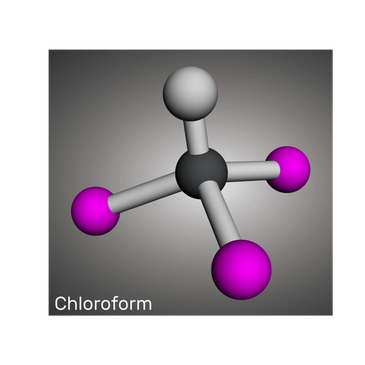
When you add chlorine to treated water, several hundred DBPs, such as THMs and HAAs, form, which can impact public health over time and are therefore regulated. The primary approach is to reduce organics before adding chlorine and to optimize your chlorine dosage to minimize DBP formation, along with many other potential treatments to reduce organics.

This course covers three or more treatments for reducing iron, manganese, arsenic, and ammonia. It focuses on the optimization of the
operation of groundwater treatment, along with key troubleshooting ideas. This course includes a review of applied research, including electro-coagulation and ferrate treatments, real-world group work and much more.
Utilities/municipalities have used coagulation, flocculation, sedimentation, and filtration (conventional treatment) for many decades. Utilities find a way to optimize their conventional treatments. This course presents/discusses recent developments and lessons learned, and tackles new emerging contaminants such as PFAS.
UV disinfection is widely used for the primary disinfection due to its effectiveness and short reaction time (a few seconds). Its combination with chlorine protects all pathogens. The UV advanced oxidation process (UV/H2O2 and UV/Chlorine ) is a new treatment methods for reducing micro-pollutants, including taste and odour compounds, and PPCPs & EDCs.
Discover membrane fundamentals, operation tips, and practical troubleshooting. Learn how to ensure safe, efficient, and reliable high-quality drinking water for your community using the latest technology and best practices in smart operation, performance, protection, and optimization. It also includes dealing with climate change challenges and emerging contaminants.
This course will cover scenario analysis for source water changes, climate impacts, and demand growth, intelligent water quality monitoring and anomaly detection, and AI-assisted troubleshooting of complex treatment issues. Additionally, this course will include the use of AI for capacity planning, capital planning support, regulatory readiness, and more.
Utilities/municipalities have used coagulation, flocculation, sedimentation, and filtration (conventional treatment) for many decades. Utilities find a way to optimize their traditional treatment. This course presents/discusses new developments and lessons learned over the decades, and tackles new emerging contaminants such as PFAS and microplastics.
This training course discusses enhanced coagulation, flocculation, and multi-media filtration, which can remove a significant portion of microplastics. It also discusses integrated advanced barriers—membrane filtration (UF/NF) and activated carbon polishing, which provide high-efficiency removal of smaller microplastics and associated contaminants.